German cockroaches or American cockroaches: which problem is in your home?
Roaches are often grouped together as one household nuisance, but the species matters. German cockroaches and American cockroaches look different, live in different parts of a building, and point to different conditions. That distinction helps when deciding whether a few careful cleaning changes are enough or whether local pest control companies should be part of the response.
Neither species is usually a sign that a home is dirty in a simple, blame-the-tenant sense. They thrive where food, water, warmth and shelter overlap. Still, the pattern of sightings can reveal a lot. A roach seen in a bathroom at night may suggest one kind of problem. A large roach found in a basement drain may suggest another.
Size and appearance are the first clues
German cockroaches are small, usually light brown, and faster than many people expect. They often measure about half an inch or a little more when fully grown. Two dark stripes run down the area behind the head, which is a useful feature when a photo is hard to get. Nymphs are smaller and darker, so they can be mistaken for other tiny insects.
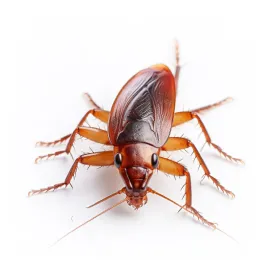
American cockroaches are much larger, often reddish brown, with a pale border around the front of the body. Adults can be roughly an inch to more than an inch long. Their size alone makes them more alarming, but large does not automatically mean a worse infestation. A single American cockroach may wander in from a drain, a utility room or a nearby outdoor area. Repeated sightings, especially during the day, carry more weight.
Color can mislead. Young American cockroaches may look darker, and German cockroaches can vary in shade. Size, body shape and where the insect was found are more useful than color alone.
Where each species tends to live
German cockroaches are strongly tied to indoor spaces. They favor warm kitchens, bathrooms, laundry areas and the gaps around appliances. In apartment buildings, they can move between neighboring units through wall voids and shared service lines. In a house, they often cluster near the kitchen and spread outward if the source is not addressed.

American cockroaches are more associated with damp, darker areas such as basements, crawl spaces, drains, boiler rooms and sewer connections. They can enter from outside, particularly around foundations, garages and utility openings. They may also live in commercial buildings, restaurants, schools and older structures where moisture and hiding places are available.
This difference shapes the inspection. For German cockroaches, attention usually centers on food preparation areas, cupboards, sink bases, appliance gaps and bathroom fixtures. For American cockroaches, the focus often shifts to floor drains, pipe penetrations, sump areas, exterior gaps and any place where water collects.
Breeding speed changes the urgency
German cockroaches reproduce quickly. A female carries an egg case until it is close to hatching, then deposits it in a protected spot. That habit helps the species survive cleaning and routine disturbance, because egg cases can be tucked into cracks, behind trim or near appliances. What looks like a small issue can build quickly if harborage and food remain available.
American cockroaches also reproduce, but their life cycle is generally slower. Seeing one adult does not prove that a nest exists inside the living area. The concern rises when roaches appear repeatedly, when nymphs are present, or when sightings happen in several rooms. Nymphs suggest that the insect is developing nearby rather than simply passing through.
Daytime sightings deserve attention for both species. Roaches are mostly nocturnal, so a roach crossing an open floor in daylight often means shelter has become crowded or food and water pressure has pushed it out. That does not identify the species by itself, but it raises the level of concern.
What usually attracts them
German cockroaches are drawn to crumbs, grease, pet food, dirty dishes, leaking taps and warm hidden spaces. Small gaps matter. A gap behind a refrigerator, a loose kick plate, a space around a pipe or a crack in cupboard backing can become a sheltered breeding site. Treating only the visible roaches leaves the protected ones untouched.
American cockroaches are more often linked to moisture, organic buildup in drains, sewer access and cluttered lower levels. Leaf litter, mulch against a foundation, open vents and damaged weatherstripping can also help them enter. In these cases, a dry, tidy kitchen may not solve the problem if the source is below ground or outside the wall.
Signs can be as telling as the insects. German cockroach activity may show up as tiny dark droppings in cupboards, smear marks along edges, shed skins and egg cases in hidden corners. American cockroach activity may be noticed through larger droppings, musty odors in damp spaces, or roaches emerging from drains at night. Pest Agent provides pest advice and ranked local exterminator comparisons, so species identification can be a useful starting point before comparing responses.
When a careful household response fits
A single large roach in a lower room may not call for a major response. Clearing clutter, checking drains, fixing obvious leaks and sealing accessible gaps can be reasonable. Keeping food covered, wiping grease from stove areas and storing pet food securely can reduce the chance that either species finds what it needs.
For German cockroaches, basic sanitation helps, but it rarely works alone once a population is established. Removing food sources makes the space less supportive, yet roaches can hide close to warmth and water. Sticky monitors can help reveal where activity is concentrated without relying on guesswork. They show whether sightings are isolated or part of a wider pattern.
DIY products vary widely in how they affect roaches, and placement matters as much as the product. Dusts, sprays, baits and traps are not interchangeable. Some products may repel insects from treated areas, which can scatter a population into nearby voids. Baits can work differently depending on competing food sources and whether the product remains palatable. Because of that, repeated casual spraying often makes the problem harder to judge.
When professional help makes more sense
Local pest control companies become more relevant when roaches keep appearing after cleaning and exclusion work, when nymphs are seen, or when activity spreads beyond one room. Multi-unit housing is another situation where professional involvement can matter, because roaches may move through shared walls and service penetrations. A treatment in one unit may not resolve movement from another source.
In a house with recurring American cockroach sightings, a proper assessment may need to include drains, crawl spaces, foundation openings and moisture problems. If the source is a broken sewer connection, persistent dampness or structural gaps, simply killing visible roaches will not resolve the cause. A qualified professional is also the right choice for work involving electrical fittings, gas equipment or areas that cannot be safely accessed.

When comparing local pest control companies, ask what evidence supports the recommended approach. A useful response should account for the species, the areas where activity is found and the conditions allowing it to continue. Vague promises are less useful than a clear explanation of inspection, treatment boundaries and prevention. Pest Agent provides pest advice, ranked local exterminator comparisons and recommended products for handling household pest problems, which can help frame the questions a homeowner asks.
How to compare the two problems
The practical difference is this: German cockroaches usually mean an indoor population living close to people, while American cockroaches often point to a broader moisture or entry issue, though both can occur in either setting. German cockroaches are smaller, breed faster and are more likely to require detailed indoor work. American cockroaches are larger, more mobile and more often connected with drains, lower levels and outdoor entry points.
Neither species should be ignored if sightings repeat. A single roach can be watched and the area cleaned. Several roaches over a few days, roaches seen in daylight, nymphs, droppings or egg cases all suggest a deeper issue. The right response depends less on panic and more on identifying what kind of roach is present and why it keeps finding a way in.
 Facebook
 Instagram
 YouTube